
When it comes to pressure vessels and piping, out of sight should never mean out of mind. Equipment buried under insulation or running at process temperature for years doesn't announce its condition. It just keeps operating, right up until it doesn't. For reliability managers and plant owners, performing Remaining Life inspections and calculations isn't just a regulatory checkbox. It's a financial strategy, and facilities that treat it that way spend less fixing problems than the ones waiting for equipment to fail first.
Key Takeaways
- - Remaining Life calculations provide defensible estimates of an asset's remaining service life.
- - Better data can prevent much of the $2.5 trillion in annual global corrosion costs.
- - Strong mechanical integrity programs lower the risk of unplanned shutdowns and OSHA citations.
- - Fitness-for-service assessments enable safe operation of flawed equipment, avoiding unnecessary replacements.
- - Risk-based inspection planning optimizes budgets by prioritizing high-risk equipment.
-
Why Remaining Life Is a Financial Number, Not Just a Safety Number
While plant teams often view inspection as a mere compliance task, Remaining Life calculations are vital financial projections. They estimate how long an asset generates revenue before requiring capital investment. Inaccurate figures lead to costly unplanned outages or the premature replacement of viable equipment.
Corrosion is the single biggest driver of unplanned asset loss in process industries. According to the global cost of corrosion study from NACE International, corrosion costs the world economy roughly $2.5 trillion annually, about 3.4 percent of global GDP, and 15 to 35 percent of that cost could be eliminated through better corrosion management. That gap is where the financial case for Remaining Life work lives.
A facility that knows its actual wall thickness plans a turnaround on its own timeline. A facility that finds out during a shutdown that a vessel has corroded past its minimum thickness pays emergency rates and loses production far longer than planned.
Related: What Is Mechanical Integrity and Why Does It Matter?
What Actually Goes Into a Remaining Life Calculation
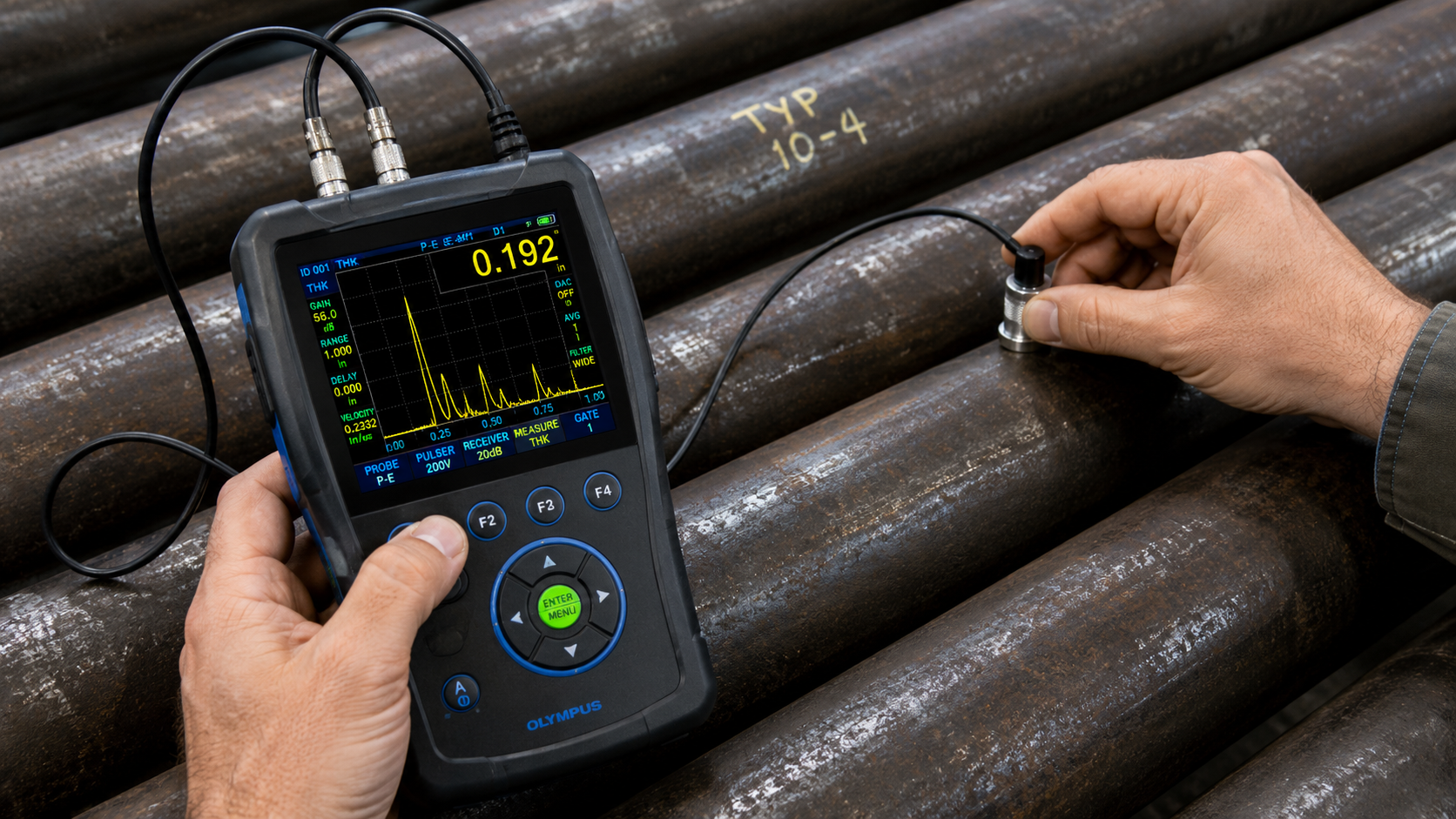
Remaining Life calculations integrate condition data, corrosion rates, and code requirements to determine an asset's safe operational lifespan. Inspectors utilize multi-point ultrasonic testing to detect localized thinning that single readings might overlook.
Calculations compare current thickness to the design code's minimum (Tmin). Dividing that difference by the corrosion rate yields the remaining service life. This process supports a facility's mechanical integrity program, a core requirement of OSHA standards. Because corrosion rates fluctuate, reliable estimates require consistent inspection history over multiple cycles.
Facilities that want this kind of structured, defensible thickness and corrosion rate tracking built into their program can lean on PMCS's mechanical integrity inspection services to keep that data consistent across every covered asset.
The Regulatory Backbone Behind Remaining Life Work
Facilities handling hazardous chemicals must comply with the OSHA Process Safety Management standard, which mandates rigorous mechanical integrity procedures. Remaining Life calculations provide the documented evidence required to justify inspection intervals and ensure regulatory compliance.
Many facilities are shifting from fixed schedules to API 580 Risk-Based Inspection, which optimizes inspection effort by balancing failure probability and consequence. Reliable Remaining Life data is essential for this ranking, as the same data supporting a risk-based inspection program also informs capital allocation decisions.
Related: Risk-Based Inspection: A Smarter Approach to Inspection Planning
When the Remaining Life Number Says Repair, Not Replace
A good Remaining Life calculation can stop a facility from replacing equipment that doesn't actually need replacing. Inspection routinely turns up flaws and localized thinning, and the instinct in a lot of plants is to treat any flaw as a reason to pull equipment from service.
That instinct is understandable but often expensive, since wholesale replacement is far more disruptive than continuing to operate equipment that's still well within safe limits.
This is where a fitness-for-service assessment earns its place. Performed according to API 579-1/ASME FFS-1, an FFS assessment takes a specific flaw and runs it through engineering calculations to determine whether the equipment is safe to keep operating, and for how long.
The output is a documented, defensible determination, not a guess, and it can work both ways. A vessel might pass a Level 1 or Level 2 screening with room to spare and avoid an expensive shutdown, or it might be closer to its limit than expected, which is exactly the kind of finding that prevents an unplanned failure down the road.
Plant teams weighing a repair-versus-replace decision on flawed equipment can get a clear, code-based answer through PMCS's reliability support services before committing capital either way.
Building Remaining Life Into Your Inspection Program
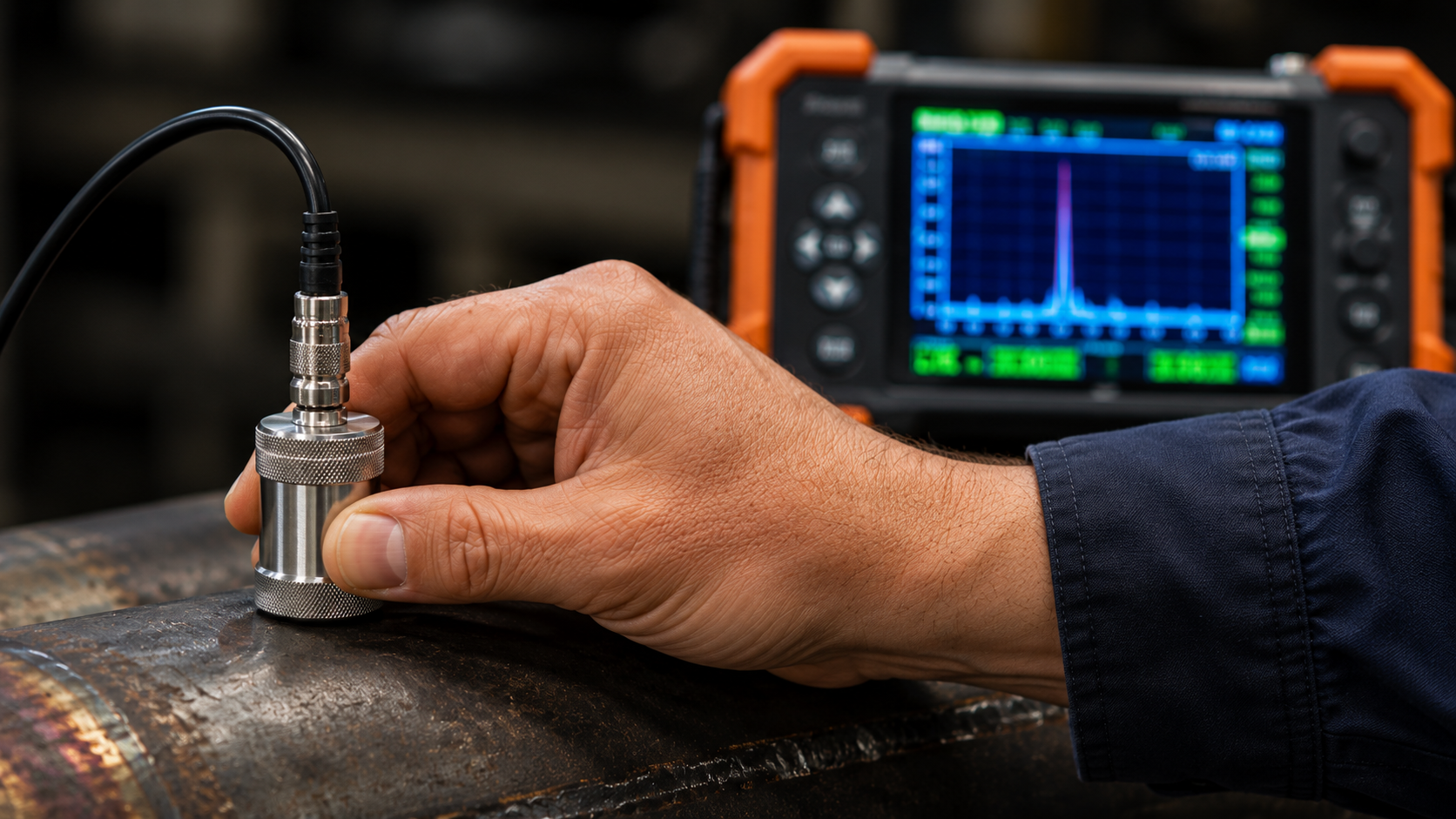
The facilities that get the most financial value out of their inspection spending share a common pattern. They don't treat inspection as an isolated event that happens once and gets filed away. They treat it as an ongoing data set, with each cycle adding to a corrosion rate history that gets more accurate over time. That history is what makes Remaining Life calculations defensible rather than speculative, and it's what lets a plant manager walk into a capital planning meeting with a real number instead of an educated guess.
Getting there takes consistent measurement methodology and inspectors who understand both the engineering codes and the practical realities of running a facility on a budget. The equipment quietly corroding in the background of your plant is going to cost money one way or another. The only real choice is whether that cost shows up as a planned, budgeted repair on your terms, or as an emergency on its terms.