
Process equipment lacks a visible expiration date, often leading to costly unplanned shutdowns when thickness readings fall below limits. Emergency repairs, rush fabrication, and lost production can turn routine maintenance into six-figure events. However, these surprises are avoidable. API 510 and API 570 inspection programs provide a documented method to calculate remaining service life, transforming capital planning from reactive guesswork into a reliable forecast.
Key Takeaways
- - Remaining life calculations under API 510 and API 570 let facilities predict equipment failure years before it happens.
- - Emergency repairs cost significantly more than planned replacements due to rush fabrication, expedited shipping, and overtime labor.
- - Corrosion rate data from thickness measurements forms the foundation of accurate remaining life estimates.
- - Scheduling capital expenditure around inspection data avoids the premium costs tied to unplanned shutdowns.
- - A documented inspection history gives finance and operations teams a shared basis for budgeting decisions.
-
The Real Cost of Reactive Capital Planning
Most facilities still treat capital expenditure as a reactive line item. A vessel fails inspection, gets flagged for repair, and the budget request goes in after the fact. That sequence puts procurement and engineering teams in a bad spot, since they end up negotiating from urgency rather than leverage.
Vendors know when a part is needed immediately, and pricing reflects that. Overtime rates, weekend mobilization, and rush certification testing all stack cost on cost, and none of it shows up in a normal maintenance budget until the emergency is already underway.
How Remaining Life Calculations Actually Work
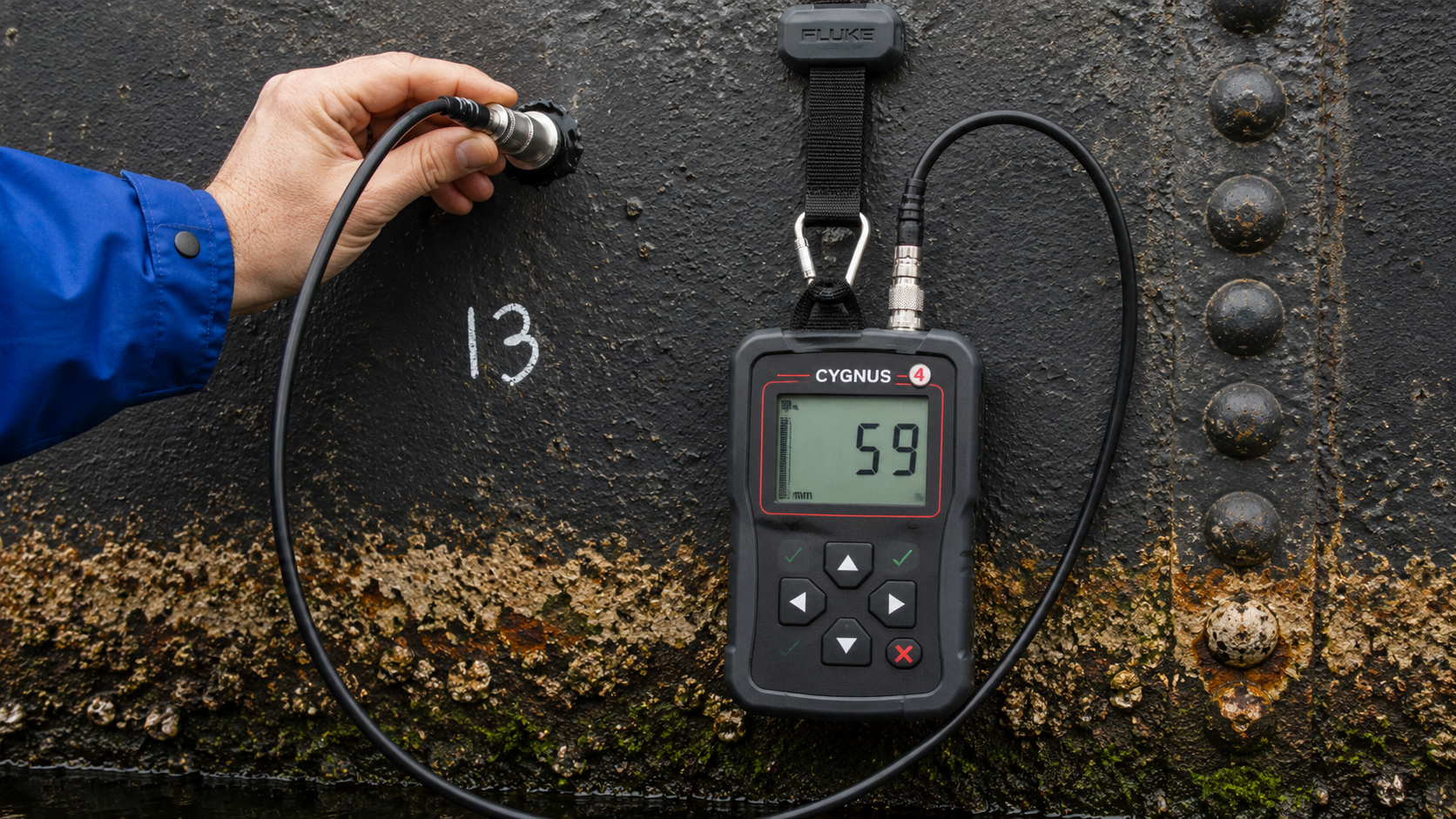
The alternative starts with inspection data a facility is probably already collecting. Under API 510, inspectors calculate corrosion rate by comparing current wall thickness against prior readings, then dividing the difference by the time between inspections. That rate, applied against the minimum required thickness for the vessel's design pressure, produces a remaining life figure in years.
The formula is remaining life equals actual thickness minus required thickness, divided by corrosion rate. The same logic applies to piping under API 570, where corrosion rate for new piping can sometimes be drawn from a vessel operating under similar service conditions when direct measurement history is not yet available.
Related: Understanding API 510: The Pressure Vessel Inspection Code
This data is practical for budgeting because it is concrete. An asset with eight years of remaining life requires no major action for that duration, barring service changes. API 510 mandates that inspection intervals not exceed ten years or half the remaining life, whichever is shorter. Integrating this into capital planning allows facilities to forecast needs using existing inspection records rather than speculation.
Where Hidden Damage Mechanisms Fit In
One of the clearest illustrations of why this matters is corrosion under insulation, a damage mechanism that hides beneath jacketing and often goes undetected until a wall thickness reading comes back surprisingly low. Spotting it early requires the right inspection approach, and facilities that build non-destructive examination techniques into routine corrosion monitoring tend to catch this kind of degradation long before it becomes a forced outage.
Related: Corrosion Under Insulation: The Hidden Threat to Plant Safety
Storage Tanks Follow the Same Logic
API 653 storage tank inspections generate their own remaining life figures based on floor and shell thickness readings, and those numbers belong in the same planning conversation as vessel and piping data. Treating tank integrity as a lower priority budget item is a common gap, mostly because tank failures develop slowly compared to a pressure vessel emergency. A tank floor with a known corrosion rate gives years of lead time to schedule a replacement during a planned turnaround instead of an emergency drawdown.

Putting the Data to Work
To shift from reactive to proactive capital expenditure, facilities must organize their inspection history. Scattered thickness readings are only useful to capital planning committees when sorted by asset and flagged for units approaching their half-life interval.
Reliability engineering plays a direct role here too. Teams that lean on reliability engineering support to track damage mechanisms across an entire unit, rather than vessel by vessel, tend to spot patterns a single inspection report would miss. A cluster of vessels showing similar corrosion rates might point to a process condition change worth investigating on its own, separate from the individual repair decisions.
This connects directly to compliance obligations too. Facilities operating under the OSHA Process Safety Management standard already need mechanical integrity programs that document inspection history and justify run or repair decisions. Remaining life calculations give that documentation real substance, turning a compliance checkbox into a genuine planning tool.
The Financial Case, In Plain Numbers
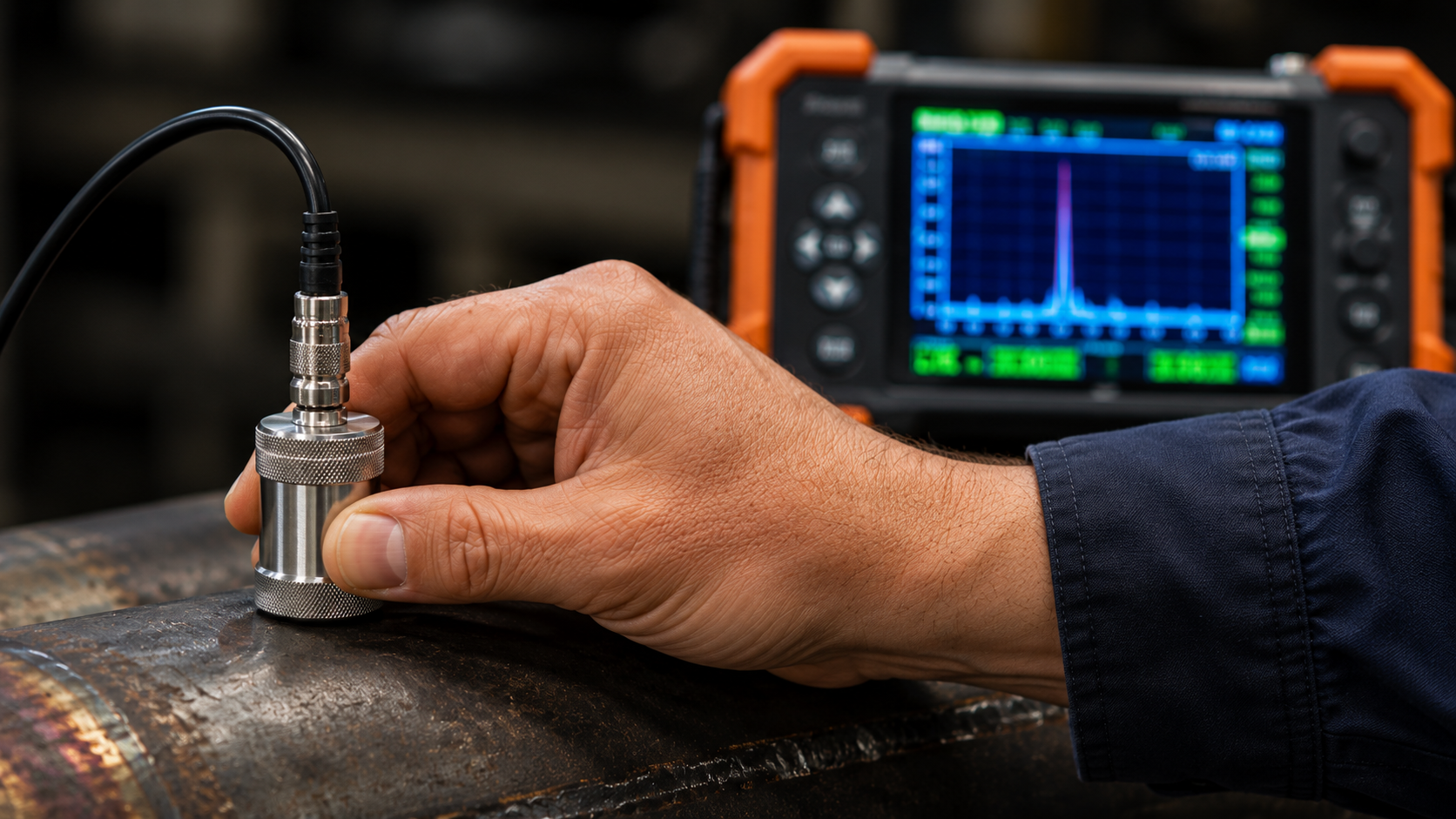
The financial case is clear: planned work costs a fraction of reactive repairs by avoiding labor premiums and lost production. Industry comparisons of preventive maintenance cost savings show this gap widens significantly for major equipment like pressure vessels and piping.
None of this requires a complete overhaul of how a facility manages assets. It requires treating remaining life data as a planning input rather than a compliance artifact filed away after each inspection cycle. Many facilities that adopt risk-based inspection programs find that the data they were already generating becomes the backbone of a multi year capital plan.
Facilities looking to close that gap on the piping side often find it useful to schedule a piping inspection before the next turnaround rather than after a leak forces the issue. That shift moves the conversation from what broke this month to what is coming due next year.
Getting there starts with an honest look at how current inspection data is being used, or not used, across the facility. If thickness readings sit in individual reports instead of feeding a centralized remaining life tracker, that is the first gap worth closing. The vessels and piping systems already have a story to tell about how much time is left before they need attention. The only question is whether the capital planning process is set up to listen.