
When a pressure vessel inspection wraps up, the physical work is only part of what matters. The report that comes out of it is what actually protects your operation. A well-structured API 510 inspections report doesn't just document what was found. It gives your team the information they need to make smart decisions about repairs, scheduling, and long-term asset management. Knowing what belongs in that report helps you evaluate whether you're getting full value from your inspection program.
Key Takeaways
- - An API 510 inspection report documents vessel condition, findings, and recommended actions in a defensible, auditable format.
- - The report must include accurate equipment identification, inspection scope, and methodology used on-site.
- - Corrosion rate calculations and remaining life estimates are key outputs that drive future inspection intervals.
- - Findings must be clearly categorized by severity so maintenance teams can prioritize repairs and follow-ups.
- - A quality report supports PSM compliance, RBI programs, and regulatory audits without requiring additional interpretation.
Equipment Identification and Inspection Basis
An API 510 report begins by establishing equipment details, such as tag number, service type, design parameters, materials, and applicable codes, alongside the inspection basis and standards used. Accurate identification ensures compliance and provides a defensible baseline for audits and review.
Scope of Inspection and Methods Used
The report needs to clearly describe what was inspected and how. That means documenting which zones of the vessel were examined, what access conditions existed, and which nondestructive examination techniques were applied. Common methods include visual inspection, ultrasonic thickness gauging, magnetic particle testing, and dye penetrant testing, depending on the vessel type and service conditions.
If any areas were inaccessible or excluded from the inspection scope, those limitations belong in the report too. A thorough inspector notes what wasn't inspected and why, rather than leaving gaps that reviewers have to guess at later. That level of transparency is part of what makes a report truly defensible.
If you want a clearer picture of how your vessels are being evaluated before the full inspection report lands on your desk, Precision MCS's API report writing services walk you through exactly what gets documented and how each section supports your compliance and maintenance goals.
Related: API Report Writing Services
Thickness Measurements and Corrosion Rate Analysis
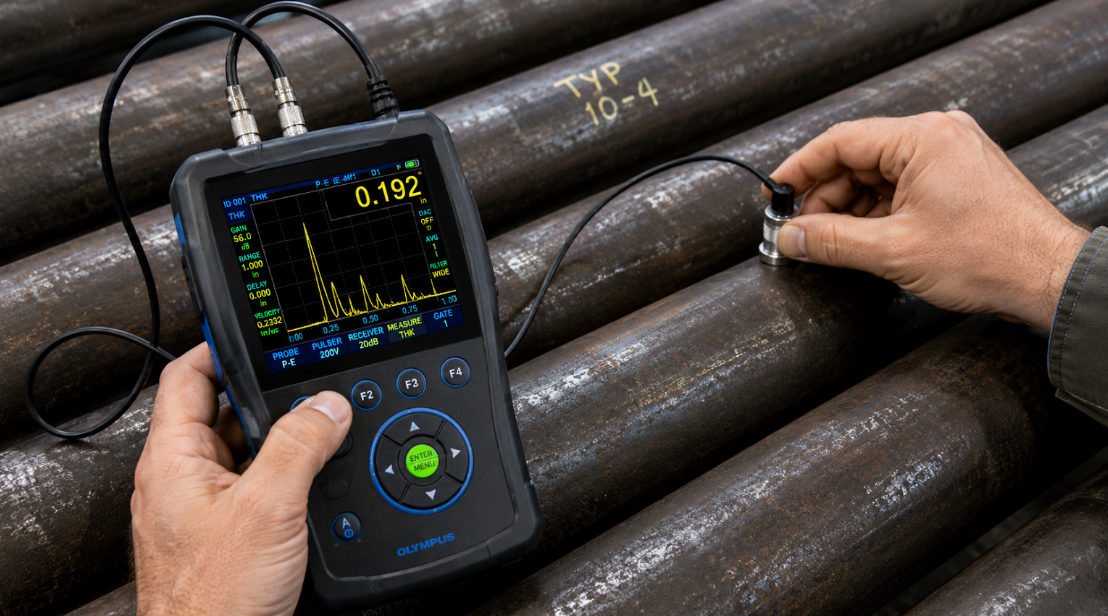
This is where the technical substance of the report lives. Thickness readings are recorded at multiple measurement points across the vessel, and those readings are compared against previous inspection data to calculate corrosion rates. The corrosion rate analysis then feeds into a remaining life calculation, which tells you how long the vessel can continue operating before it reaches the minimum allowable wall thickness.
Accurate corrosion rate data is one of the most actionable things an inspection report can give you. It tells maintenance teams where the vessel is degrading fastest, whether current inhibitor or coating programs are working, and whether the existing inspection interval is still appropriate. Without this data, scheduling the next inspection is mostly guesswork.
Findings, Defects, and Anomaly Classification
Any defects, damage, or anomalies found during the inspection get documented in detail here. That includes the location on the vessel, the type of damage (pitting, cracking, erosion, general thinning, weld defects, and so on), the measured dimensions, and the potential cause if it can be identified. Good reports also classify findings by severity so maintenance teams immediately know what needs urgent attention, what can wait until the next scheduled outage, and what only needs to be monitored.
The language here needs to be specific and actionable. Vague findings like "some corrosion noted" don't give engineers what they need. A precise description, with measurements and location references tied to a vessel diagram or sketch, is what makes the report actually useful rather than just a formality.
Related: Mechanical Integrity Inspection Services
Fitness-for-Service Determinations
When a finding exceeds acceptable limits or raises questions about continued safe operation, the report needs to address fitness-for-service assessments directly. This section evaluates whether the vessel can remain in service as-is, whether it needs to be repaired or derated before the next scheduled inspection, or whether immediate action is required.
A fitness-for-service evaluation typically references API 579/ASME FFS-1 criteria and documents the reasoning behind the determination. This is what gives the conclusion legal and technical defensibility. If the report just says "acceptable" without backing that up, it doesn't hold much weight when regulators or insurers start asking questions.
Repair Recommendations and Next Inspection Date
Every API 510 report should close with clear, prioritized repair recommendations and a recommended next inspection date. The repair guidance needs enough detail to be actionable, including the specific area to address, the repair method, and any requirements for post-repair inspection or testing. General recommendations like "monitor for further degradation" are fine when appropriate, but they need to be paired with a monitoring plan, not left floating without one.
The next inspection date is calculated based on the remaining life estimate and the applicable code requirements. It's not a guess or a default, and it should be documented with the supporting calculation so future inspectors can verify the logic. Pressure vessel safety depends on these intervals being defensible and accurate, not just convenient.
When you're evaluating an inspection provider, the quality of this section is one of the clearest indicators of whether you're getting a document that actually supports your program or just a form that checks a compliance box. To see what a complete, audit-ready report looks like before you commit to an inspector, reach out to the Precision MCS team directly to discuss your facility's inspection needs.

Inspector Certification and Signature
An API 510 report is only valid when signed by a currently certified inspector. The inspector's certification details confirm that the work adheres to applicable standards. This signature turns the record into a legally defensible document rather than simple field notes. Some facilities also add a QA review step to verify accuracy for PSM or RBI programs.
Why Report Quality Matters Beyond Compliance
A complete, well-documented API 510 report does more than satisfy an auditor. It becomes part of the equipment's permanent history, and future inspectors rely on it to establish trend data, validate corrosion rate calculations, and make better decisions about inspection intervals. Gaps or inconsistencies in earlier reports create blind spots that compound over time.
Operators who treat inspection reports as living documents rather than one-time compliance deliverables tend to have better visibility into their asset condition and fewer unexpected failures. That's ultimately what a good report is for. Not just a record of what was found, but a foundation for what comes next.